How to Choose the Right Strapping Machine for Your Business
Views:14Publish Time: 2026-07-24
Securing products safely for transit is a critical step in any supply chain. Whether you manage a boutique warehouse or a high-volume industrial production line, investing in the right strapping machine is key to boosting operational efficiency, reducing labor costs, and ensuring product safety.
At Tpacktool, we understand that every packaging process comes with unique demands. To help you navigate the options, we’ve put together this comprehensive guide on selecting the ideal strapping solution for your business.
Step 1: Assess Your Packaging Needs
Before choosing a machine, evaluate the nature of your goods and the materials required to secure them:
Strapping Material Compatibility:
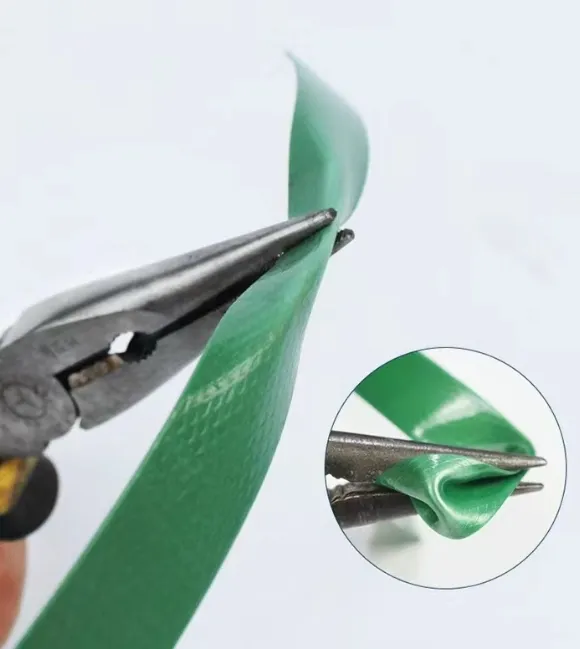
Polypropylene (PP): Cost-effective and flexible, perfect for light to medium-duty bundling.
Polyester (PET): Extremely durable with high tensile strength, ideal for heavy-duty loads and long-distance transport.
Steel Strapping: Designed for the tough industrial applications, such as heavy machinery or sharp-edged metals.
Load Characteristics: Take into account the weight, shape, and fragility of your packages. Fragile items require gentle tension control, while heavy pallets demand max holding power.
Step 2: Select the Right Type of Strapping Machine
Different operational scales require different levels of automation. Tpacktool offers a versatile lineup tailored to every stage of business growth:
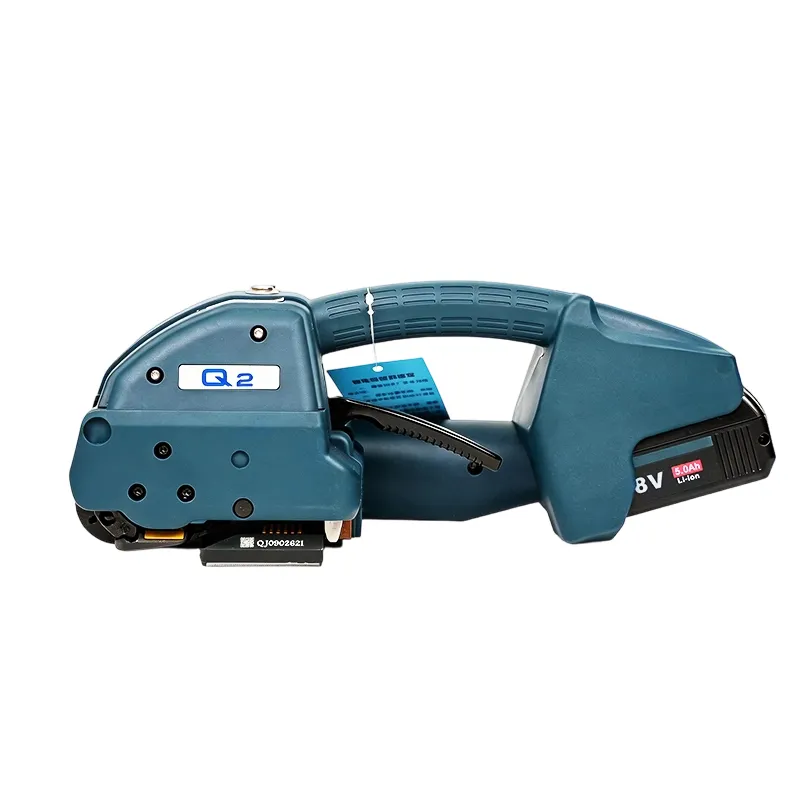
Manual & Portable Strapping Tools:
Best for: Low-volume packaging, tight spaces, or irregular loads.
Benefits: Highly budget-friendly, portable, and easy to operate without power supply constraints.
Semi-Automatic Strapping Machines:
Best for: Medium-volume businesses seeking higher speed without massive capital outlay.
Benefits: Speeds up the strapping process significantly while keeping manual labor minimal and simple.
Fully Automatic Strapping Machines:
Best for: High-volume production lines and automated conveyor systems.
Benefits: Delivers maximum speed, seamless automation, and uniform tension with zero manual strap feeding required.
Step 3: Key Features to Prioritize
When comparing models, keep these essential performance factors in mind:
Speed & Cycle Time: High-speed equipment keeps your packing line moving seamlessly during peak operational hours.
Versatility & Tension Control: Look for adjustable tension settings and multi-width strap compatibility to handle diverse product sizes easily.
User-Friendly Design: Intuitive control panels and quick strap-loading mechanisms minimize operator training time and downtime.
Durability & Reliability: Tpacktool prioritizes high-grade components and robust engineering, ensuring your machinery withstands rigorous daily usage and delivers long-term ROI.
Step 4: Balancing Budget and Long-Term Value
While initial purchase cost is an important factor, it shouldn’t be the only criteria. A low-cost machine with frequent downtime or poor tension control can end up costing more in repairs and damaged goods. Investing in high-quality equipment from a trusted brand like Tpacktool yields significant long-term savings through higher throughput, reduced material waste, and lower maintenance costs.
Final Thoughts
Optimizing your packaging workflow begins with choosing the right equipment. By analyzing your volume, material requirements, and operational goals, you can easily find a strapping machine that elevates your supply chain performance.
Looking to upgrade your packaging line? Explore the full range of reliable, high-performance packaging solutions at Tpacktool today and take your operational efficiency to the next level.
Lastes News
Boost Your Packaging Efficiency with Tpacktool Automatic Strapping Machines

2026-07-24
In today’s fast-paced manufacturing, logistics, and e-commerce environments, operational speed and reliability are key to maintaining a competitive edge. One of the most impactful ways to transform your packaging workflow is by upgrading to an automatic strapping machine.
Read More →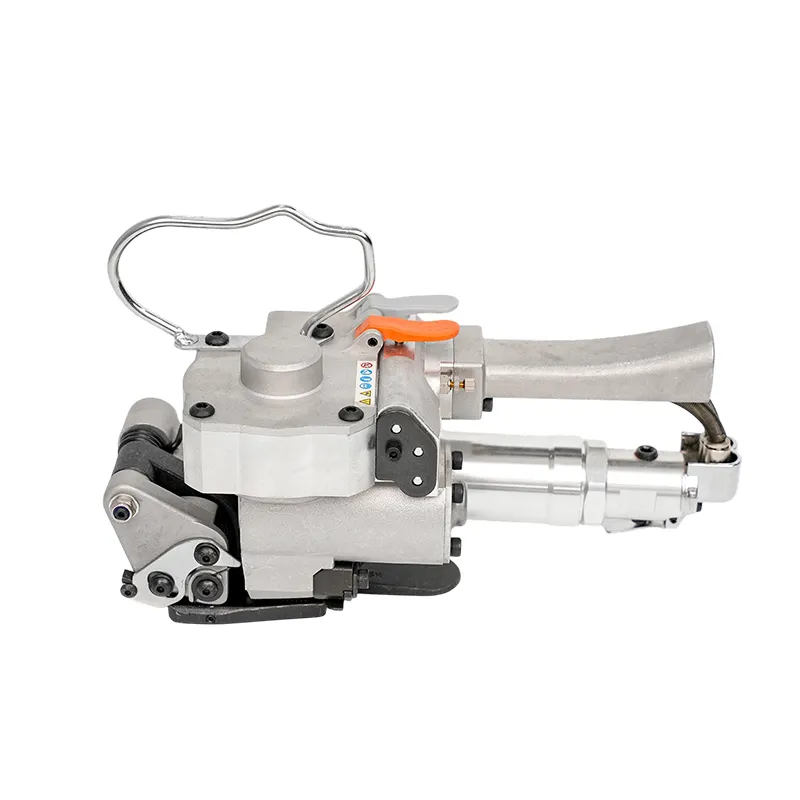
How to Choose the Right Strapping Machine for Your Business
2026-07-24
Securing products safely for transit is a critical step in any supply chain. Whether you manage a boutique warehouse or a high-volume industrial production line, investing in the right strapping machine is key to boosting operational efficiency, reducing labor costs, and ensuring product safety.
Read More →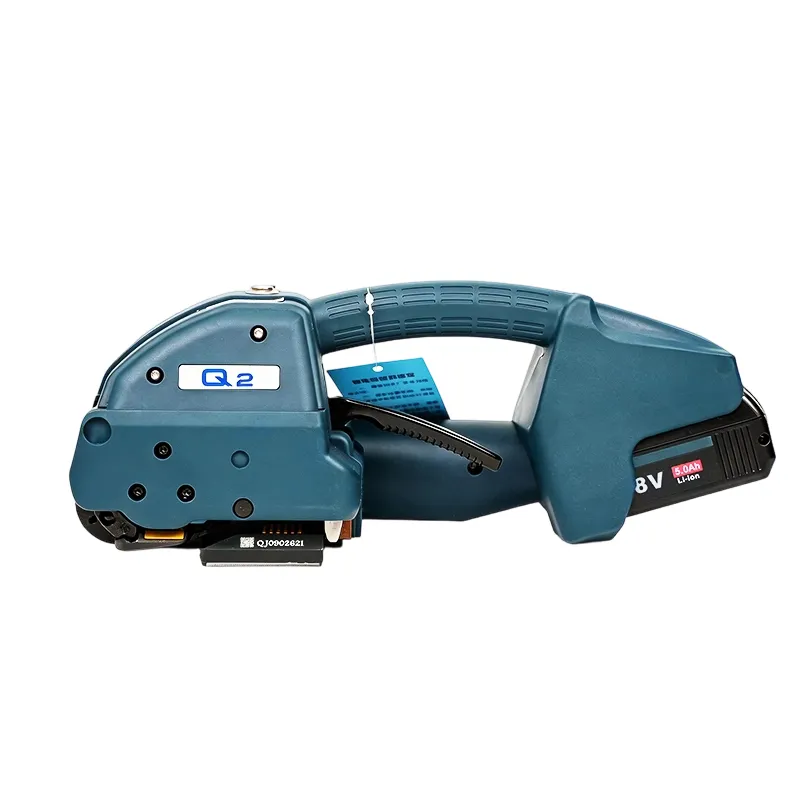
PET Strap Rolls vs. Steel Straps: Choosing the Right Solution for Your Packaging Needs
2026-02-10
When it comes to securing and bundling products for shipping and storage, the choice of strap material can significantly impact efficiency, cost, and overall effectiveness.
Read More →
Why Strap Tension is Crucial in Packaging
2026-02-10
In the packaging industry, strap tension plays a pivotal role in ensuring the integrity and safety of products during transport and storage.
Read More →